
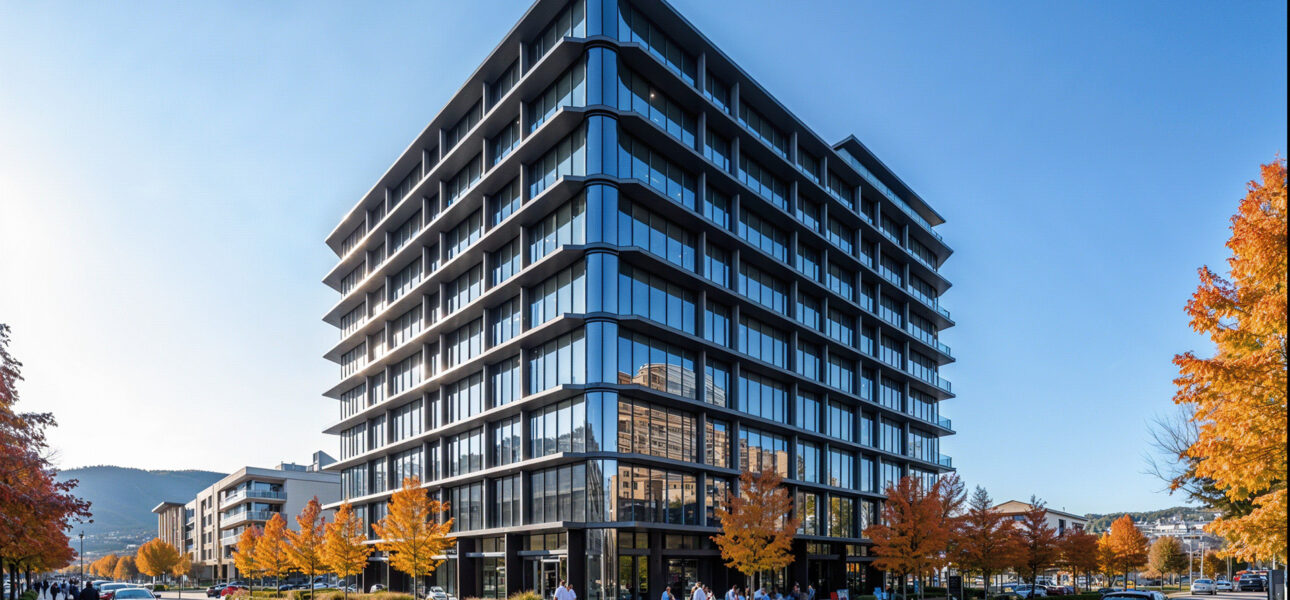
In a region that has spent the past five years absorbing currency volatility, regulatory tightening, and uneven recovery cycles, one market continues to do something rare — it stays predictable. Singapore.
For corporates choosing a regional headquarters, family offices allocating to Asia, and funds building durable real estate exposure, Singapore in 2026 is doing exactly what it has done for the past two decades: being boring, in the best possible way. Boring, here, is a compliment. It means transparent rules, audit-able processes, and a regulator that publishes its expectations rather than enforcing them by surprise.
This article looks at the three structural reasons Singapore continues to anchor Asian real estate decisions in 2026 — and what serious investors should be watching next.
1. Regulatory Clarity Continues to Beat Most of Asia
Across Asia–Pacific, the gap between “what the law says” and “what actually happens on the ground” has widened in several markets. Singapore has gone the other way. The Urban Redevelopment Authority (URA), Inland Revenue Authority of Singapore (IRAS), Monetary Authority of Singapore (MAS), and Singapore Land Authority (SLA) continue to publish detailed guidelines on planning, taxation, capital deployment, and land tenure — and, more importantly, they enforce them consistently.
For a real estate investor, this matters in three practical ways:
- Underwriting confidence. When the rules are stable, your discount rate is honest. You are not pricing in policy whiplash.
- Exit predictability. Capital partners across Europe, North America, and the Middle East can model a Singapore exit with high conviction. That widens the universe of buyers and tightens cap rates.
- Operating peace. Once your asset is stabilised, you are not spending management bandwidth on regulatory firefighting.
Singapore’s Additional Buyer’s Stamp Duty (ABSD) regime, while frequently calibrated, is at least transparent in how it is calibrated. Investors may dislike the level — but they rarely complain that they did not see it coming.
2. The Family Office Build-Out Is Not a Trend — It’s Infrastructure
By 2026, Singapore is home to over 1,500 single-family offices, alongside an even larger universe of multi-family platforms, variable capital companies (VCCs), and qualifying funds. This is no longer a marketing line on a conference slide — it is operating infrastructure.
What that means for real estate:
- Demand for prime residential — particularly Good Class Bungalows (GCBs), Sentosa Cove, and core CCR condominiums — has shifted from speculative to occupier-driven.
- Office demand at premium addresses (Marina Bay Financial Centre, Asia Square, Guoco Tower, CapitaSpring) is reinforced by a tenant base that is rate-insensitive and lease-tenor patient.
- Service real estate — serviced residences, lifestyle retail, F&B clusters near family-office hubs — has a structural tailwind, not a cyclical one.
The implication for asset owners is clear: the underwriting question is no longer “will demand return?” but “is your asset positioned for the right kind of demand?”
3. Institutional Depth Has Quietly Outgrown the Rest of the Region
Singapore’s S-REIT market remains the deepest and most liquid in Asia ex-Japan. The pipeline of green-certified buildings continues to expand. Insurance capital, sovereign capital, and pension capital are increasingly routed through Singapore-domiciled structures — bringing with them a level of governance discipline that, in turn, raises the bar for every operator in the market.
This depth has a quiet second-order effect. When the institutional layer is thick, every layer below it gets more professional too — property managers, valuers, brokers, fit-out contractors, legal counsel, tax advisors. The whole supply chain matures. As an investor, you are not just buying an asset; you are buying access to an ecosystem that knows how to look after it.
So, What Should Serious Investors Be Watching in 2026?
Three signals matter more than the noise:
- Green building economics. Singapore’s Green Mark and BCA frameworks are now reflected in rental premiums and tenant retention. Non-compliant Grade-A stock will see its WALE compress quietly.
- Decentralised office demand. One-North, Paya Lebar, and Jurong are not “alternatives” to the CBD anymore — they are deliberate workforce choices for a hybrid era.
- Cross-border structuring. As regional capital flows recalibrate, the Singapore VCC and qualifying fund regimes are quietly becoming the default structuring rails. Real estate platforms that understand both the property and the wrapper will win.
A Closing Thought
Markets reward different things in different cycles. Some cycles reward speed. Some reward leverage. Some reward storytelling. Singapore real estate has rarely rewarded any of those — and that is precisely why it continues to attract the kind of capital that thinks in decades, not quarters.
At GAR, we operate in exactly this register: structured, governance-led, and built for durability. If you are evaluating a Singapore mandate — leasing, acquisition, repositioning, or investment participation — we’d be glad to compare notes.